
Chapter 1: The Pain Points of Chute Blockage in Bulk Material Handling Systems and the Need for Anti-Blocking Monitoring
In continuous-operation industries such as mining and mineral processing, thermal power generation, port bulk cargo handling, metallurgical sintering, and cement and building materials, belt conveyors and chutes form the core channels for material transfer. When material flows inside a discharge chute, increased humidity, higher stickiness, jamming of large lumps, or a sudden surge in feed rate can very easily lead to chute jam / blockage.
Once a chute is blocked and the blockage is not detected by the system in time, the subsequent material will rapidly accumulate, press and stop the upstream conveyor belt, and may even cause serious accidents such as belt tearing, motor overload and burnout, and massive material spillage and spreading. This not only results in huge equipment repair costs and production losses, but may also bring safety hazards to on-site inspection personnel.
In order to achieve automated control and safe production of the conveying line system, real-time monitoring of material accumulation and blockage inside the transfer chute has become an indispensable part of modern bulk material automation control systems. As an intelligent safety sensor dedicated to sensing the state of material accumulation inside a chute, the Chute Jam Detector can immediately send an alarm or interlock shutdown signal to the control system, cutting off the source of the accident.
Chapter 2: Working Principle and Technical Features of the XLDS-W Chute Jam Detector
2.1 Highly Sensitive Response and Reliable Signal Triggering Mechanism
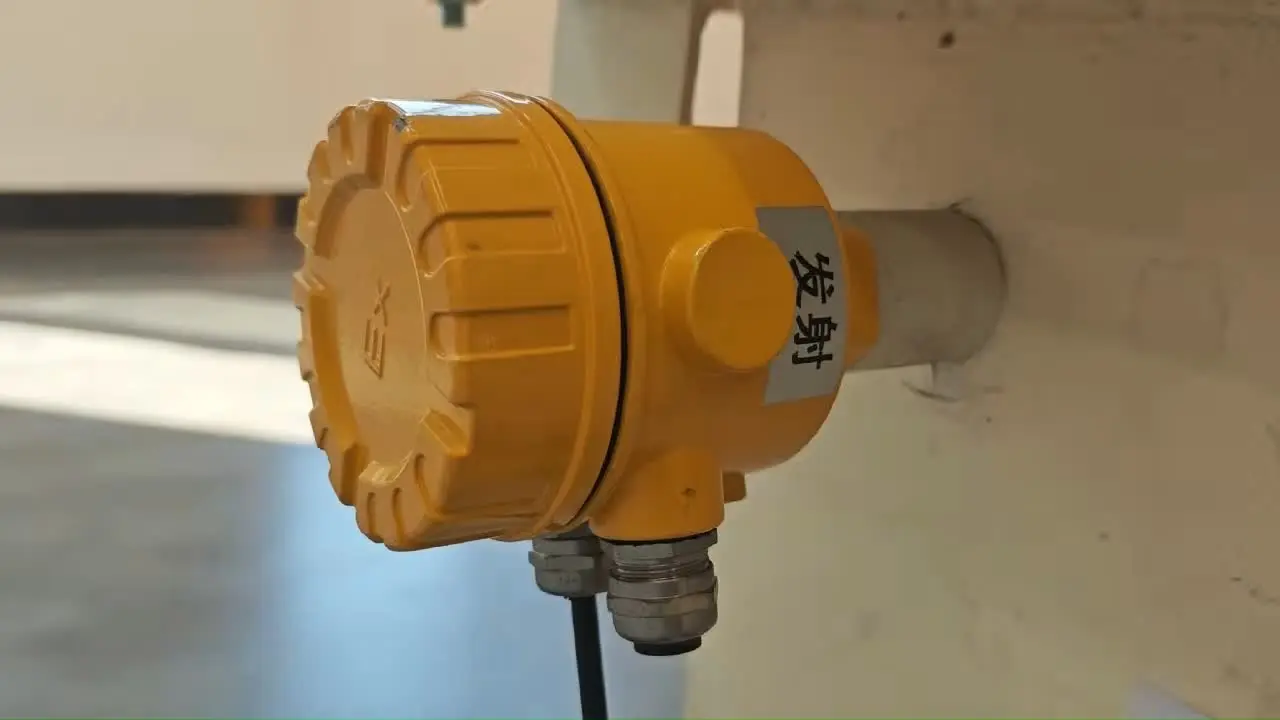
The XLDS-W chute jam detector adopts highly reliable microwave sensing / non-contact (or mechanical protective linkage) sensing technology, and is specially designed for chute blockage monitoring under harsh working conditions. The device is installed at the critical position on the side wall of the transfer chute where blockage is most likely to occur.
- Normal material passing state: The material falls smoothly inside the chute, the detector does not touch accumulated material and the microwave beam is not blocked; the internal micro switch or electronic circuit maintains its initial contact state (normally open / normally closed), indicating that there is no blockage.
- Blockage accumulation state: When material jams at the chute outlet or inside the chute, the accumulation height rises rapidly and covers the sensing surface or pushes the probe. When the accumulation pressure or dielectric interruption reaches the preset actuation threshold, the detector responds instantly and outputs one or more sets of dry-contact switching signals (SPDT), and the interlocked control system (PLC/DCS) immediately stops the feeding equipment or issues an on-site audible and visual alarm.
- Automatic reset mechanism: After the blocked material is cleared and the chute becomes unobstructed again, the sensing probe resets and the signal contact automatically returns to its initial state, ensuring that the system can be restarted quickly.
2.2 Industrial-Grade Robust Structural Design Features
- Impact-resistant and wear-resistant protection: The probe and housing surface are made of high-hardness alloy or corrosion-resistant wear-resistant materials, which can withstand the direct impact and severe friction of large ore lumps, coal lumps and highly abrasive materials.
- High-grade dustproof and waterproof housing: The housing reaches an ingress protection rating of IP67, ensuring long-term stable operation without false alarms under heavy dust, high humidity and heat, and outdoor rainstorm conditions.
- Strong anti-interference and wide voltage adaptability: The circuit design provides good electromagnetic compatibility (EMC) performance, adapting to high-frequency vibration and voltage fluctuation environments in industrial sites.
Chapter 3: XLDS-W Core Technical Parameters and Performance Advantages
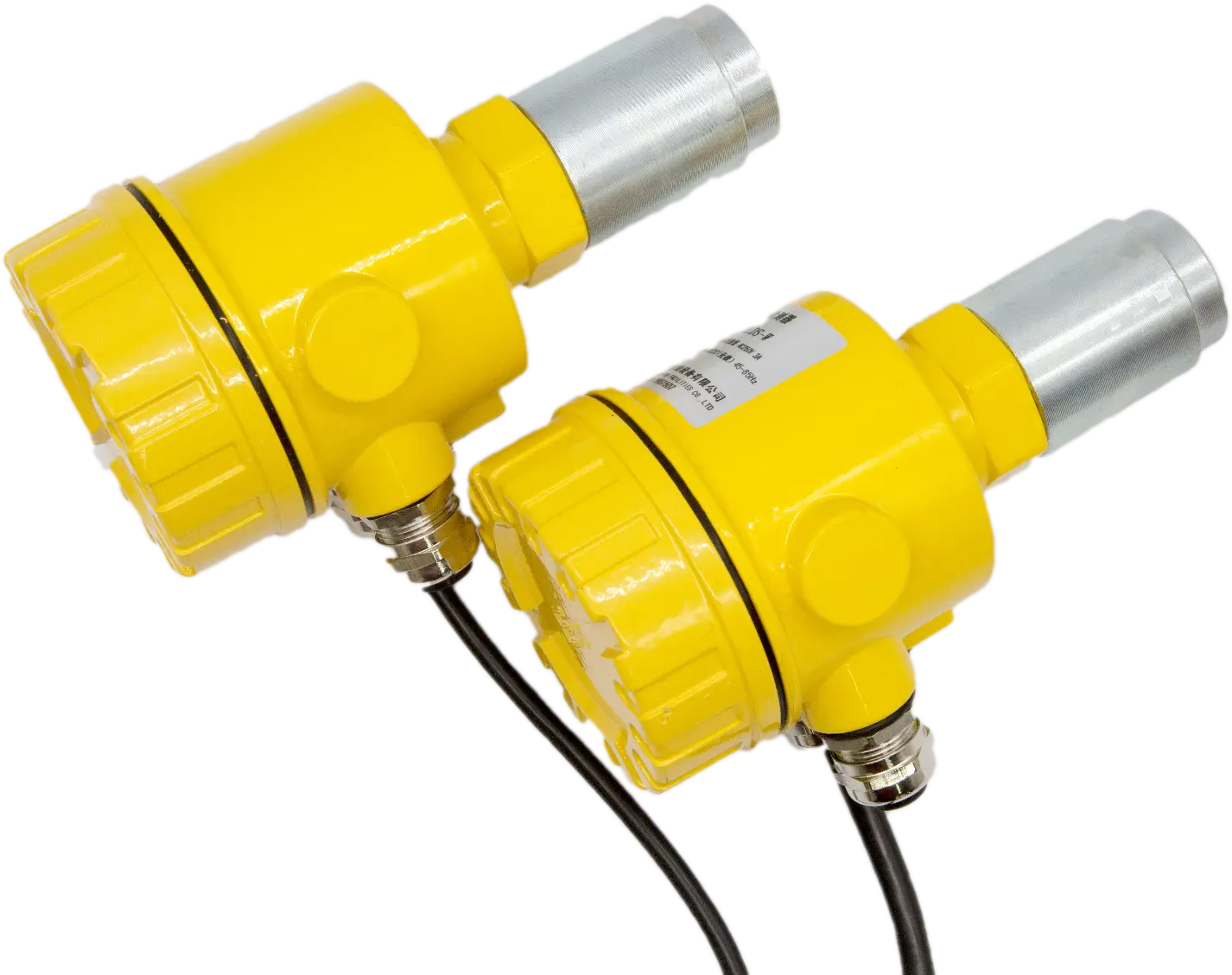
To help engineers and procurement teams precisely match on-site working conditions, the table below summarizes the core technical specifications of the XLDS-W chute jam detector:
| Parameter | Specification / Performance Description |
|---|---|
| Product Model | XLDS-W series chute jam detector |
| Ambient Temperature | -20°C to +60°C |
| Relative Humidity | 0% – 95% RH |
| Atmospheric Pressure | 80 kPa – 110 kPa |
| Power Supply | AC 220V (50/60Hz) / DC 24V |
| Power Consumption | ≤ 5W (≤ 2W in DC 24V supply mode) |
| Protection Rating | IP67 (weatherproof, dustproof and waterproof design) |
| Output Type | 1 × SPDT (single-pole double-throw dry contact) |
| Applicable Materials | Coal, iron ore, copper ore, limestone, grain, cement clinker, etc. |
3.1 Key Advantages of the XLDS-W
- Precise response, no false alarms: The optimized angle and pressure sensing threshold can effectively distinguish the impact of normally falling material from a genuine blockage accumulation.
- Safe interlock protection: It provides highly reliable SPDT switching signals that can be directly connected to a PLC system, quickly realizing interlock shutdown of upstream feeders and belt conveyors.
- Flexible installation and easy maintenance: It supports side-wall hole mounting and flange fixing, with no complex mechanical linkage structure, and requires almost no daily maintenance.
Chapter 4: Applications of the XLDS-W Chute Jam Detector in Typical Industrial Scenarios
The XLDS-W chute jam detector is widely used in various high-load bulk material continuous conveying transfer stations:
4.1 Coal Mining & Preparation and Thermal Power Plant Coal Handling Systems
Coal conveyor galleries and transfer chutes often suffer from wall-sticking blockage due to the high moisture content and stickiness of coal. Installed in the lower, blockage-prone area of the discharge chute, the XLDS-W can trigger a signal when coal lumps and wet coal slurry accumulate, avoiding belt overloading and coal spillage accidents.
4.2 Metallurgical Mines and Limestone Ore Transfer
In mining and mineral processing, ore has a large lump size, high density and a large drop height. The wear-resistant structure of the XLDS-W can withstand the impact of high-intensity material flow and monitor the smoothness of the discharge outlet in real time, preventing major jams in the transfer chute.
4.3 Port Bulk Cargo Handling and Cement Plants
The chutes of ship loaders and ship unloaders at bulk cargo terminals, as well as clinker conveying chutes in cement plants, are exposed to open-air or humid environments all year round. The IP67 high protection performance of the XLDS-W enables it to easily cope with sea breeze salt spray, rainstorms and high dust erosion.
Chapter 5: Installation Specifications, Commissioning Steps and Daily Maintenance Guide
5.1 Installation Position Selection and Fixing Method
- Selection of installation height: It should be installed in the lower part of the chute side wall where blockage is most likely to occur (about 0.5 m – 1.5 m above the discharge outlet), avoiding false triggering caused by normal material splashing.
- Fixing and protection: After opening a hole in the chute side wall, fasten the detector with a flange or fixing bolts. If the material drop impact is extremely strong, a simple material baffle guard can be added above the sensing probe.
5.2 Electrical Wiring and Commissioning Steps
- Wiring specifications: According to the wiring instructions, pass the control cable through the waterproof cable gland, connect it to the corresponding SPDT contacts, and tighten the waterproof locking nut to ensure sealing.
- Function test: In the shutdown state, manually simulate material accumulation pressing the probe, and observe whether the control room or the PLC input accurately receives the blockage alarm signal.
5.3 Daily Maintenance
- Surface cleaning: Regularly check whether the surface of the sensing probe inside the chute is stuck with thick coal slurry or hard slag, and keep the sensing surface clean.
- Sealing inspection: Regularly check whether the sealing gasket of the junction box is intact and whether the dustproof bolts are tightened.